
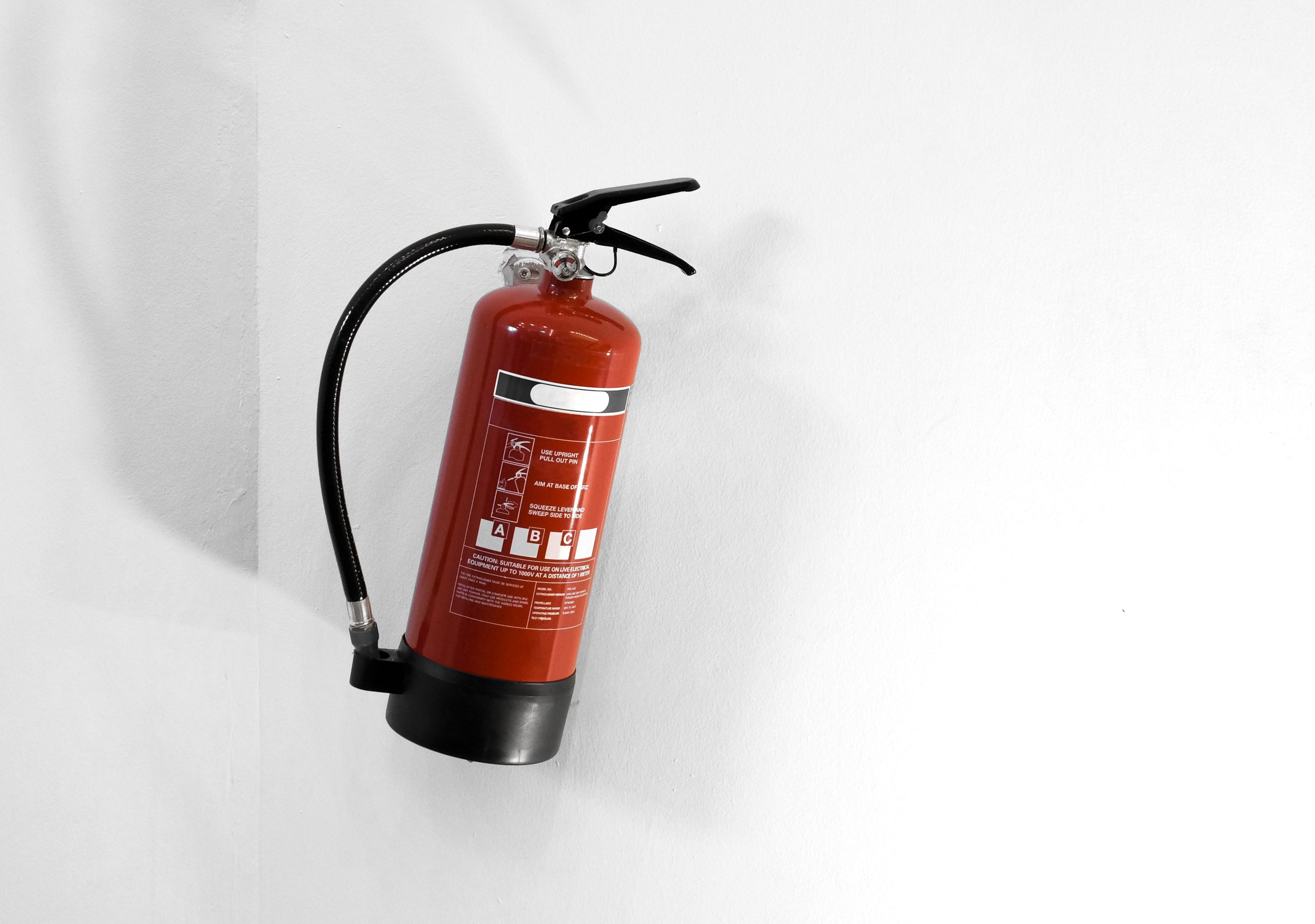
Understanding Fire Safety Compliance for Your County Donegal Property
Fire safety regulations exist to protect lives and property, but navigating the legal requirements can be confusing for property owners across County Donegal. Whether you own a commercial building, residential property, rental accommodation, or are responsible for a public space, understanding your fire safety obligations is essential—not just for legal compliance, but for the safety of everyone who uses your building.
At Gormley Ltd, we help property owners throughout County Donegal understand and meet their fire safety obligations. In this comprehensive guide, we’ll explain the key fire safety regulations in Ireland, what they mean for your Donegal property, and how to ensure you’re fully compliant.
The Legal Framework for Fire Safety in Ireland
Fire safety in Ireland is governed by several pieces of legislation and technical guidance that work together to ensure buildings are safe:
Fire Services Acts 1981 & 2003
The Fire Services Acts provide the primary legislative framework for fire safety in Ireland. They give local fire authorities (including Donegal County Council) powers to:
- Ensure fire safety in buildings
- Conduct fire safety inspections
- Issue fire safety notices requiring improvements
- Prosecute for fire safety breaches
- Close dangerous premises
Under these Acts, building owners and occupiers have legal duties to ensure fire safety.
Building Regulations (Fire Safety)
Building Regulations Part B sets out technical standards for fire safety in buildings, covering:
- Means of escape in case of fire
- Internal fire spread (linings)
- Internal fire spread (structure)
- External fire spread
- Access and facilities for the fire service
These regulations apply to new buildings and, in certain circumstances, to material alterations and changes of use of existing buildings across County Donegal.
Safety, Health and Welfare at Work Act 2005
This Act places duties on employers to ensure workplace fire safety, including:
- Fire risk assessments
- Fire safety management
- Emergency planning and evacuation procedures
- Training and information for employees
- Maintenance of fire safety equipment
If you employ people in County Donegal, workplace fire safety is a legal requirement.
Housing Acts and Residential Tenancies Act
If you’re a landlord in Donegal, additional fire safety requirements apply to rental accommodation, particularly houses of multiple occupation (HMOs) and apartment buildings.
Fire Safety Requirements by Property Type
Your specific fire safety obligations depend on your property type and use:
Commercial Properties in Donegal
Offices, shops, restaurants, hotels, and other commercial premises across County Donegal must have:
Fire Detection and Alarm Systems
- Appropriate fire detection for the building size and use
- Regular testing and maintenance
- Alarm audible throughout the premises
Means of Escape
- Clear, unobstructed escape routes
- Appropriate number and width of exits
- Emergency lighting on escape routes
- Fire exit signage
- Fire doors on escape routes properly maintained
Fire Fighting Equipment
- Appropriate fire extinguishers for the risks present
- Annual servicing and maintenance
- Staff trained in use
Fire Safety Management
- Current fire risk assessment
- Fire safety procedures and emergency plan
- Staff training in fire safety
- Regular fire drills
- Maintenance records for all fire safety equipment
Compartmentation and Fire Protection
- Fire doors properly maintained and self-closing
- Fire stopping around service penetrations
- Fire barriers in concealed spaces
- Structural fire protection where required
Gormley Ltd provides comprehensive fire protection for commercial properties across Donegal, including fire alarm systems, fire doors, fire stopping, and passive fire protection installations.
Residential Properties (Houses and Apartments)
Private Homes in Donegal
While fire safety regulations for private homes are less prescriptive than commercial properties, Building Regulations still apply, particularly if you’re:
- Building a new home
- Extending your home
- Undertaking significant renovations
Requirements include:
- Smoke alarms (mains-powered in new builds, battery acceptable in existing homes)
- Protected escape routes in multi-storey homes
- Fire doors where required by Building Regulations
- Proper compartmentation in conversions
Apartment Buildings
Apartment buildings across County Donegal have specific fire safety requirements:
- Fire doors to each apartment (typically FD30 rated)
- Protected common escape routes (stairwells and corridors)
- Fire alarm systems in common areas
- Emergency lighting in escape routes
- Fire stopping and compartmentation
- Annual fire safety equipment servicing
Landlord Responsibilities in Donegal
If you rent out property in County Donegal, you have legal duties including:
- Provide working smoke alarms (at least one per floor)
- Ensure means of escape are safe and unobstructed
- Maintain fire doors and fire safety features
- Provide fire safety information to tenants
- Ensure furniture and furnishings meet fire safety standards
For Houses of Multiple Occupation (HMOs) in Donegal, requirements are more stringent:
- Fire detection and alarm system
- Emergency lighting
- Fire doors throughout
- Fire blanket in kitchen
- Clear means of escape
- Regular fire safety inspections
Gormley Ltd helps landlords across County Donegal meet their fire safety obligations with fire door installation, fire alarm systems, and fire safety surveys.
Healthcare Facilities
Hospitals, clinics, nursing homes, and care facilities in County Donegal face the most stringent fire safety requirements due to vulnerable occupants:
- Comprehensive fire detection and alarm systems
- Multiple means of escape
- Extensive compartmentation
- Fire doors with appropriate hardware for accessibility
- Staff training in evacuation procedures
- Regular fire drills
- Detailed fire safety management plans
Healthcare fire safety often requires specialist design and installation to balance safety with patient care needs.
Educational Buildings
Schools, colleges, and educational facilities across Donegal must provide:
- Fire alarm systems audible throughout
- Multiple escape routes suitable for numbers
- Assembly points at safe distance
- Regular fire drills (at least once per term)
- Fire doors on escape routes
- Emergency lighting
- Staff trained in fire procedures
Educational settings require particular attention to means of escape given the number of young people who may need to evacuate.
Hospitality Venues
Hotels, restaurants, bars, and guest houses in County Donegal have specific requirements:
- Fire alarm systems (often including bedhead call points in hotels)
- Clear escape route signage
- Emergency lighting throughout escape routes
- Fire doors to bedrooms and on escape routes
- Fire safety information in guest rooms
- Staff training in evacuation procedures
- Regular fire drills
- Fire risk assessment
The hospitality sector faces particular scrutiny due to members of public unfamiliar with the building potentially being present, especially at night.
Fire Risk Assessment: Your Legal Obligation
For most non-domestic buildings in County Donegal, a fire risk assessment is a legal requirement under the Fire Services Acts and the Safety, Health and Welfare at Work Act.
What is a Fire Risk Assessment?
A fire risk assessment is a systematic evaluation of your building’s fire risks and the adequacy of existing fire safety measures. It identifies:
- Sources of ignition
- Fuel sources (materials that could burn)
- People at risk
- Existing fire safety measures
- Additional measures needed
- Emergency procedures
Who Needs a Fire Risk Assessment in Donegal?
You need a fire risk assessment if you:
- Employ people (even one person)
- Operate a business open to the public
- Manage residential accommodation with tenants
- Are responsible for a public building
- Own or manage an apartment building
Essentially, if your building isn’t a single private dwelling, you likely need a fire risk assessment.
Who Can Conduct Fire Risk Assessments?
Fire risk assessments should be conducted by a competent person with knowledge of:
- Fire behavior and fire spread
- Building construction and fire safety features
- Fire safety legislation and guidance
- The specific risks of the building use
For complex buildings in Donegal (hotels, healthcare facilities, large commercial premises), a professional fire safety consultant should conduct the assessment.
How Often Should Fire Risk Assessments Be Reviewed?
Fire risk assessments should be reviewed:
- Annually as a minimum
- After any significant changes to the building
- After any change of use
- Following any fire or near-miss incident
- If the assessment is no longer considered adequate
At Gormley Ltd, we work with fire safety consultants across County Donegal to implement the recommendations from fire risk assessments, providing fire doors, fire stopping, fire alarms, and passive fire protection systems.
Building Control and Fire Safety Certificates
When constructing, extending, or materially altering buildings in County Donegal, fire safety must be addressed through the Building Control system.
Fire Safety Certificate
Certain buildings require a Fire Safety Certificate before construction begins:
- Buildings over 300 square meters
- Apartment buildings
- Hotels and guest houses
- Institutional buildings (schools, hospitals, etc.)
- Buildings for public assembly
- Shopping centers over certain sizes
The Fire Safety Certificate application is submitted to Donegal County Council and includes detailed fire safety design covering:
- Means of escape
- Fire resistance of building elements
- Fire detection and alarm systems
- Internal and external fire spread measures
- Access for fire service
This is separate from planning permission and must be approved before work begins.
Building Control and Fire Safety
Even if a Fire Safety Certificate isn’t required, your building work must comply with Building Regulations Part B (Fire Safety). This involves:
- Submitting a Commencement Notice to Donegal County Council
- Appointing an Assigned Certifier (for certain projects)
- Ensuring construction complies with fire safety design
- Inspections at key stages
- Certificate of Compliance on Completion (for certain projects)
Gormley Ltd works closely with Assigned Certifiers and fire safety consultants across County Donegal, ensuring our fire protection installations meet certified designs and regulatory requirements.
Fire Safety Enforcement in County Donegal
Donegal County Council’s Fire Service has powers to enforce fire safety compliance:
Fire Safety Inspections
Fire officers can enter and inspect premises in County Donegal to assess fire safety. Inspections may be:
- Routine inspections of certain premises types
- Following a complaint
- After a fire or incident
- As part of licensing processes (for certain venues)
Fire Safety Notices
If fire safety deficiencies are identified, fire officers can issue:
Improvement Notice
- Specifies works or actions required
- Sets a deadline for compliance
- Failure to comply is a criminal offense
Prohibition Notice
- Immediate restriction on use of all or part of a building
- Issued where serious fire safety risk exists
- Remains in force until requirements are met
Closure Notice
- Complete closure of dangerous premises
- Used where immediate serious risk to life
Penalties for Non-Compliance
Fire safety breaches can result in:
- Fines up to €3,000 on summary conviction
- Fines up to €130,000 and/or imprisonment on indictment
- Closure of premises
- Personal liability for building owners/managers
- Insurance invalidation
- Civil liability in event of fire-related injury or death
The consequences of inadequate fire safety are serious—both legally and, potentially, in terms of human life.
Common Fire Safety Deficiencies in Donegal Properties
Through our work across County Donegal, Gormley Ltd regularly encounters fire safety issues that property owners should address:
Fire Doors
Propped Open Fire Doors Fire doors wedged or propped open cannot protect escape routes. If doors need to be held open for operational reasons, use hold-open devices linked to the fire alarm that release when the alarm activates.
Missing or Damaged Intumescent Seals These seals expand in heat to close gaps around fire doors. Damaged or missing seals compromise fire door performance.
Incorrect Gaps Gaps around fire doors should generally be 3-4mm. Larger gaps allow smoke and fire through.
Defective Self-Closers Fire doors must close fully and latch. Broken or poorly adjusted self-closers mean doors may not close in a fire.
Non-Compliant Modifications Adding letterboxes, vision panels, or ventilation grilles to fire doors without maintaining certification invalidates their fire rating.
Gormley Ltd provides fire door surveys across County Donegal, identifying deficiencies and providing compliant replacement or repair.
Fire Stopping
Unsealed Penetrations Pipes, cables, and ducts passing through fire-rated walls and floors must be properly fire-stopped. We regularly find unsealed penetrations in Donegal properties, particularly where services have been added or modified after original construction.
Incorrect Materials Ordinary foam or sealant doesn’t provide fire resistance. Only certified fire-stopping materials should be used.
Damaged Fire Stopping Fire stopping can be damaged during subsequent work. Regular inspection ensures it remains intact.
Fire Alarm and Detection Systems
Inadequate Coverage Fire detection should be appropriate for the building size, use, and risk. Many older systems in Donegal don’t meet current standards.
Lack of Maintenance Fire alarm systems must be tested and serviced regularly. Annual professional servicing is recommended, with weekly testing by the responsible person.
No Certification When fire alarm systems are installed or modified, certification should be provided proving compliance with IS 3218 (Irish Standard for fire detection systems).
Means of Escape
Obstructed Escape Routes Corridors, stairwells, and exits must remain clear. Storage in escape routes is a common and dangerous problem.
Inadequate Signage Fire exit signs must be visible and illuminated (either continuously or by emergency lighting).
Locked or Difficult-to-Open Exits Fire exits must be easily openable from inside without a key. Panic hardware may be required in certain buildings.
Missing Emergency Lighting Emergency lighting ensures escape routes remain lit if mains power fails. Required in most non-domestic buildings and apartment common areas.
Fire Safety for Heritage Buildings in Donegal
County Donegal has many historic and heritage buildings requiring sensitive fire safety upgrades. Balancing conservation with fire safety presents unique challenges:
Protected Structures and Fire Safety
Protected structures in Donegal must meet fire safety requirements while preserving character. This often requires:
- Fire doors designed to match historic joinery
- Discreet fire detection and alarm systems
- Fire protection treatments that preserve visible timber
- Careful routing of fire alarm cabling to minimize visual impact
- Intumescent paint systems finished to match original decorative schemes
Gormley Ltd has extensive experience with heritage fire safety projects across County Donegal, working with conservation officers and heritage specialists to achieve compliant solutions that respect architectural integrity.
Grant Funding for Heritage Fire Safety
The Heritage Council and Donegal County Council offer grants for conservation work on protected structures, which may include fire safety improvements. Professional advice on sensitive fire safety solutions can help secure funding.
Fire Safety Maintenance: Ongoing Responsibilities
Fire safety isn’t a one-time compliance exercise—it requires ongoing management and maintenance:
Daily and Weekly Checks
Property managers should:
- Ensure fire exits and escape routes remain clear
- Check fire doors close properly
- Test emergency lighting (weekly)
- Ensure fire extinguishers are in place and undamaged
Monthly Checks
- Full test of fire alarm system
- Check emergency lighting battery duration (monthly)
- Inspect fire doors for damage or missing seals
Annual Requirements
- Professional fire alarm servicing
- Fire extinguisher servicing
- Emergency lighting battery test (3-hour duration test)
- Review and update fire risk assessment
- Review emergency procedures and training
Record Keeping
Maintain records of:
- Fire alarm tests and servicing
- Fire extinguisher checks and servicing
- Emergency lighting tests
- Fire drills
- Staff training
- Fire risk assessments
- Building work affecting fire safety
These records demonstrate compliance and may be requested during fire safety inspections or in event of an incident.
Insurance and Fire Safety Compliance
Fire safety compliance affects your insurance:
Insurance Requirements
Most commercial insurance policies require:
- Compliance with fire safety legislation
- Working fire detection and alarm systems
- Regular servicing and maintenance
- Fire risk assessment in place
Impact of Non-Compliance
If you have a fire and investigation reveals fire safety deficiencies:
- Insurance claim may be reduced or denied
- You may face increased premiums
- Coverage may be withdrawn
Maintaining fire safety compliance protects not just lives, but your financial investment in your Donegal property.
Fire Safety Training and Awareness
If you employ people in County Donegal, fire safety training is a legal requirement:
What Training is Required?
Employees should know:
- Location of fire exits and assembly points
- How to raise the alarm
- Evacuation procedures
- Location and use of fire extinguishers (for designated fire wardens)
- Their role in fire emergency procedures
Fire Drills
Regular fire drills (at least annually, more frequently for high-risk or high-occupancy premises) ensure:
- Evacuation procedures work
- Timing of evacuation is adequate
- Staff know their roles
- Weaknesses are identified and addressed
Fire Wardens
Larger premises in Donegal should appoint fire wardens responsible for:
- Ensuring their area evacuates
- Checking toilets and other spaces
- Reporting to assembly point coordinator
- Using fire extinguishers if safe to do so (and trained)
Specific Fire Safety Considerations for Donegal
County Donegal’s characteristics create specific fire safety considerations:
Rural Properties
Many Donegal properties are in rural locations with:
- Extended fire service response times
- Limited water supply for firefighting
- Access challenges for fire appliances
This makes fire prevention and early detection even more critical. Robust fire alarm systems and well-maintained fire protection measures are essential in rural Donegal.
Tourism and Seasonal Occupancy
Donegal’s tourism industry means many hospitality properties have seasonal peaks. Fire safety must be maintained year-round, not just during busy periods. Staff training is particularly important where seasonal workers may be less familiar with the building.
Weather and Building Characteristics
Donegal’s climate affects fire safety:
- High rainfall can lead to dampness affecting electrical installations
- Wind exposure can affect fire spread, particularly in thatched buildings
- Traditional construction (stone, lime mortar) may behave differently in fire than modern materials
Understanding how your specific Donegal building will behave in fire is important for effective fire safety planning.
How Gormley Ltd Helps Donegal Property Owners with Fire Safety Compliance
Navigating fire safety regulations can be complex. Gormley Ltd provides comprehensive fire safety solutions across County Donegal:
Fire Safety Surveys
We conduct fire safety surveys identifying:
- Deficient or missing fire safety measures
- Fire doors requiring replacement or repair
- Unsealed fire stopping
- Inadequate fire alarm coverage
- Non-compliant means of escape
Our surveys provide clear recommendations prioritized by risk and urgency.
Fire Protection Installation
We install and certify:
- Fire doors (FD30 and FD60) for all building types
- Fire stopping around all penetrations
- Fire alarm and detection systems
- Passive fire protection (steel protection, timber protection, fire barriers)
- Emergency lighting
- Fire-rated access panels
- Cavity barriers and fire barriers
All installations are fully certified, providing documentation for building control, insurance, and fire authority compliance.
Fire Safety Upgrades
For existing buildings across Donegal not meeting current standards, we provide:
- Compartmentation improvements
- Fire door replacement programs
- Fire stopping remediation
- Fire alarm system upgrades
- Heritage-sensitive fire protection
Ongoing Maintenance
We offer maintenance contracts providing:
- Regular fire door inspections and adjustment
- Fire alarm servicing and testing
- Emergency lighting testing
- Fire extinguisher servicing (through partners)
- Annual compliance checks
Building Control Liaison
For new builds and extensions, we work with:
- Architects and engineers
- Fire safety consultants
- Assigned Certifiers
- Donegal County Council Building Control
Our expertise ensures fire safety elements are installed correctly, inspected appropriately, and certified properly.
Taking Action: Steps to Ensure Fire Safety Compliance
If you’re a property owner in County Donegal, here’s how to ensure fire safety compliance:
Step 1: Understand Your Obligations Identify what regulations apply to your property type and use.
Step 2: Conduct or Commission a Fire Risk Assessment Have a competent person assess your building’s fire safety.
Step 3: Address Identified Issues Prioritize and implement recommendations from the fire risk assessment.
Step 4: Establish Ongoing Maintenance Set up systems for regular testing, servicing, and inspection.
Step 5: Train Staff and Occupants Ensure everyone knows fire safety procedures and their responsibilities.
Step 6: Document Everything Keep records of assessments, maintenance, tests, and training.
Step 7: Review Regularly Fire safety is not a one-time task—review and update regularly.
The Cost of Fire Safety Compliance vs The Cost of Non-Compliance
Some property owners view fire safety as an unwanted expense. Consider instead:
Cost of Compliance:
- Fire safety improvements: One-time or phased investment
- Annual maintenance: Modest ongoing cost
- Training: Minimal cost, often internal
Cost of Non-Compliance:
- Fines and legal costs: Potentially very significant
- Insurance issues: Reduced or denied claims, increased premiums
- Closure notices: Complete loss of income during closure
- Reputation damage: Loss of customers, difficulty letting property
- Personal liability: Potential imprisonment in serious cases
- Lives: Immeasurable
Fire safety compliance is not just a legal obligation—it’s a sound business decision and a moral imperative.
Conclusion: Fire Safety is Everyone’s Responsibility
Fire safety regulations in Ireland exist to protect lives. As a property owner or manager in County Donegal, you have legal responsibilities to ensure your building is safe from fire.
Understanding your obligations under the Fire Services Acts, Building Regulations, and other legislation is the first step. Implementing appropriate fire safety measures, maintaining them properly, and fostering a culture of fire safety awareness completes your duty.
Gormley Ltd is here to help property owners across County Donegal navigate fire safety requirements and implement compliant solutions. From initial fire safety surveys through to installation, certification, and ongoing maintenance, we provide comprehensive fire safety expertise backed by approved installer status, ISO certification, and decades of local experience.
Don’t wait for a fire safety inspection or, worse, a fire, to address fire safety in your Donegal property.
Contact Gormley Ltd today for expert fire safety advice and solutions across County Donegal.